Zero-Waste Packing Checklist for Sustainable Travel
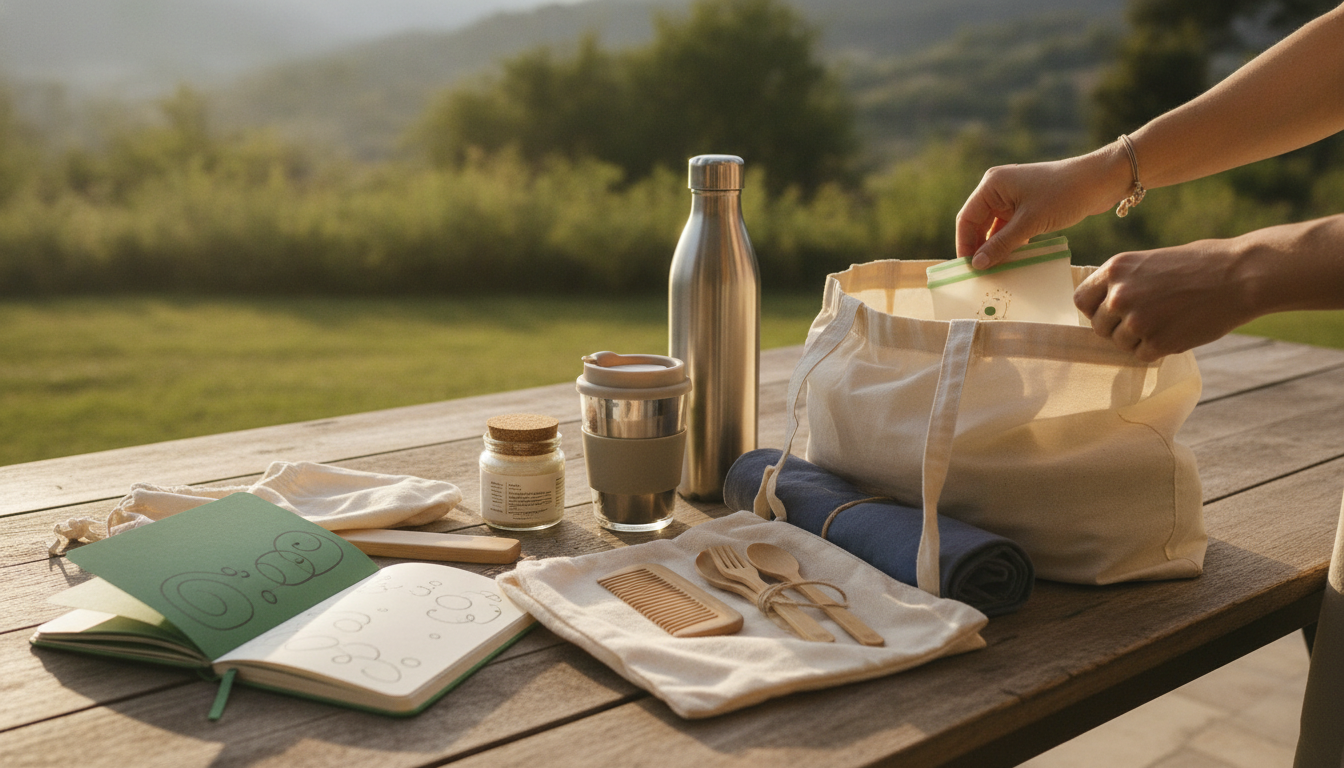
Sustainable travel gets easier when decisions are made before the suitcase opens. A practical checklist reduces last-minute purchases, prevents overpacking, and helps keep waste low from the airport to the hotel and back home. This guide outlines a repeatable, zero-waste packing approach, plus small habit upgrades that make a noticeable impact without sacrificing comfort.
Start with a low-waste travel plan (before packing)
The most eco-friendly packing starts with planning. A few choices made early can prevent a chain of “quick fixes” later—like buying bottled water, grabbing plastic-wrapped snacks, or picking up travel-sized toiletries that don’t get used.
- Choose the lowest-impact route that still fits the schedule: fewer connections often means less fuel burn and less stress.
- Pack for rewearing: plan outfits as a capsule (mix-and-match) to reduce laundry, water use, and baggage weight.
- Prioritize stays and tours with clear sustainability practices: look for linen-reuse options, refill stations, and local hiring.
- Set a “no impulse buys” rule: skip travel-sized toiletries and souvenir clutter—bring reusables instead.
Quick swaps that cut waste fast
| Common travel habit | Lower-waste swap | Why it helps |
|---|---|---|
| Buying bottled water daily | Refillable bottle + local refill plan | Reduces single-use plastic and cost |
| Disposable cutlery/napkins | Reusable spork + small cloth | Avoids frequent landfill items |
| Mini toiletry bottles | Solid bars or refillable containers | Less plastic and fewer leaks |
| “Just in case” overpacking | Checklist-based packing | Less weight, fewer unused purchases |
The core zero-waste packing list (carry-on friendly)
A simple “core kit” keeps the system consistent trip after trip. If it fits a carry-on, it usually fits any trip—weekend, work, or long vacation—and it’s easier to maintain without duplicates.
Reusables
- Refillable water bottle
- Compact tote for groceries or takeout
- Travel cutlery (spork works well)
- Reusable straw (optional)
- Small food container for snacks
Personal care
- Solid shampoo/soap bars or refillables
- Bamboo or soft-bristle toothbrush
- Toothpaste tabs (if preferred)
- Refillable deodorant
- Razor with replaceable blades
Laundry and cleanup
- Stain stick or a small soap-sheet pack
- Travel clothesline or a few clothespins
- Quick-dry cloth (for spills, dishes, or sink laundry)
- Reusable zip pouches instead of disposable bags
Tech and utility
- Universal adapter (as needed)
- Multi-port charger to reduce extra bricks and cords
- Rechargeable battery
- Travel documents stored offline to reduce printing
Comfort items that prevent purchases
- Light scarf/shawl (blanket on flights, layer in cool evenings)
- Compact umbrella
- Layers that work across temperatures to avoid “emergency” shopping
If keeping everything straight feels like the hardest part, a structured template helps. The Eco-Friendly Traveler Checklist digital download is designed to make the routine repeatable—so the low-waste choice becomes the default.
Toiletries and skincare without the plastic pile
Bathroom waste is one of the easiest categories to reduce, mostly because travel marketing pushes tiny bottles and single-use items. A better system: bring only what you’ll use, and make it leakproof.
- Decant only what will be used: label reusable containers clearly to avoid tossing mystery liquids later.
- Choose solids where possible: soap, shampoo, conditioner, shaving bars, and lotion bars often last longer per trip and pack cleaner.
- Bring a small “refill kit”: a tiny funnel, one spare container, and a leakproof pouch can prevent messy waste and emergency buys.
- Skip single-use wipes when possible: pack a small cloth + gentle cleanser; if wipes are necessary, choose biodegradable and pack out responsibly where disposal is limited.
For broader guidance on reducing waste beyond travel, the U.S. EPA’s “Reduce, Reuse, Recycle” resources are a solid reference for building everyday habits that also hold up on the road: https://www.epa.gov/recycle.
Eating and drinking on the road (without disposables)
Meals and snacks can create a surprising amount of packaging, especially in airports and tourist areas. A small routine makes it easier to decline disposables without feeling deprived.
Travel can also trigger impulse spending on snacks, souvenirs, and “convenience” items. If cutting clutter and cost is part of the goal, Personal Finance Made Easy Ebook – Budgeting, Saving, Investing & Debt Management Guide for Financial Freedom can help build a simple plan for mindful purchases before you leave.
Transit and lodging habits that keep the impact low
For a bigger-picture look at tourism’s environmental pressures and why small traveler decisions matter, the UN Environment Programme’s overview is helpful: UNEP — Tourism and the environment.
A printable checklist that makes it automatic
- A checklist reduces decision fatigue: the same framework works for weekend trips, longer vacations, and work travel with quick add-ons.
- Use a two-pass method: (1) pack essentials, (2) add trip-specific items after checking weather and itinerary.
- Keep a “ready-to-go” mini kit at home: reusables, containers, and solid toiletries stored together so trips don’t trigger last-minute purchases.
- Make it easy to follow: the Eco-Friendly Traveler Checklist digital download is a straightforward template to plan, pack, and travel with less waste.
If staying active while traveling keeps you from buying extra “quick fix” items (like single-use heat packs or disposable recovery tools), a simple hotel-room routine can help. Cardio + Strength Done Right offers a structured checklist approach that pairs well with minimalist travel packing.
FAQ
What is an eco-friendly traveler?
An eco-friendly traveler is someone who minimizes environmental impact through choices in transportation, lodging, consumption, and waste. Common habits include packing reusables, reducing single-use items, conserving water and energy, and supporting local businesses and communities.
How can packing lighter be more sustainable?
Lighter luggage can reduce transportation emissions and makes it easier to rewear outfits instead of overbuying. It also simplifies laundry needs, which can cut water and energy use—especially when a capsule wardrobe and multi-use items are used.












Leave a comment